Keep the starting lines identifiable.
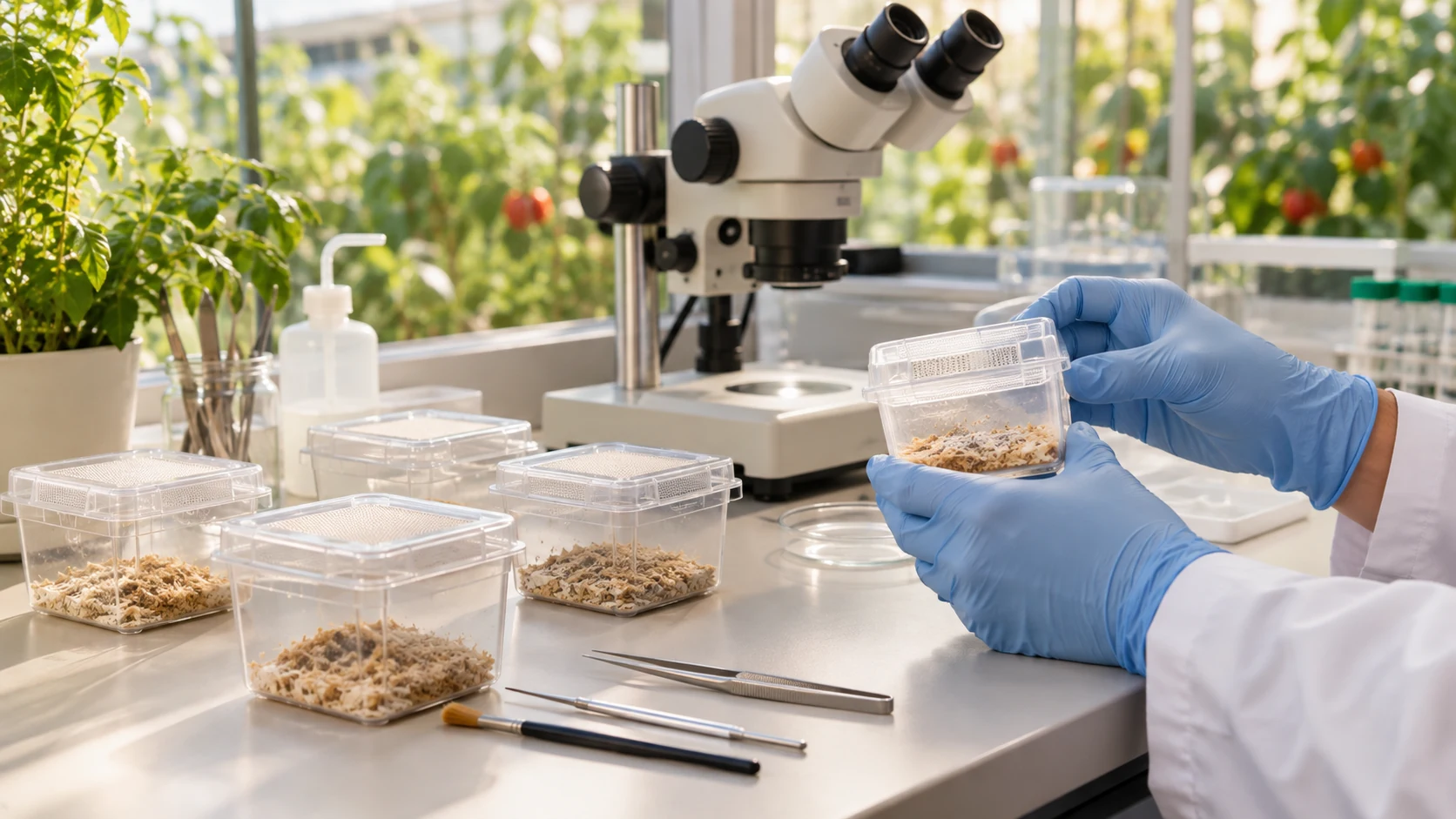
Maintain mother cultures separately and document their origin, feeding history and generations.
Line identity and culture history
Conceptual visualization
Our team has worked in biocontrol since 2013. We have built production facilities; today our franchise programme brings rearing know-how, quality procedures and training to partners developing local production.
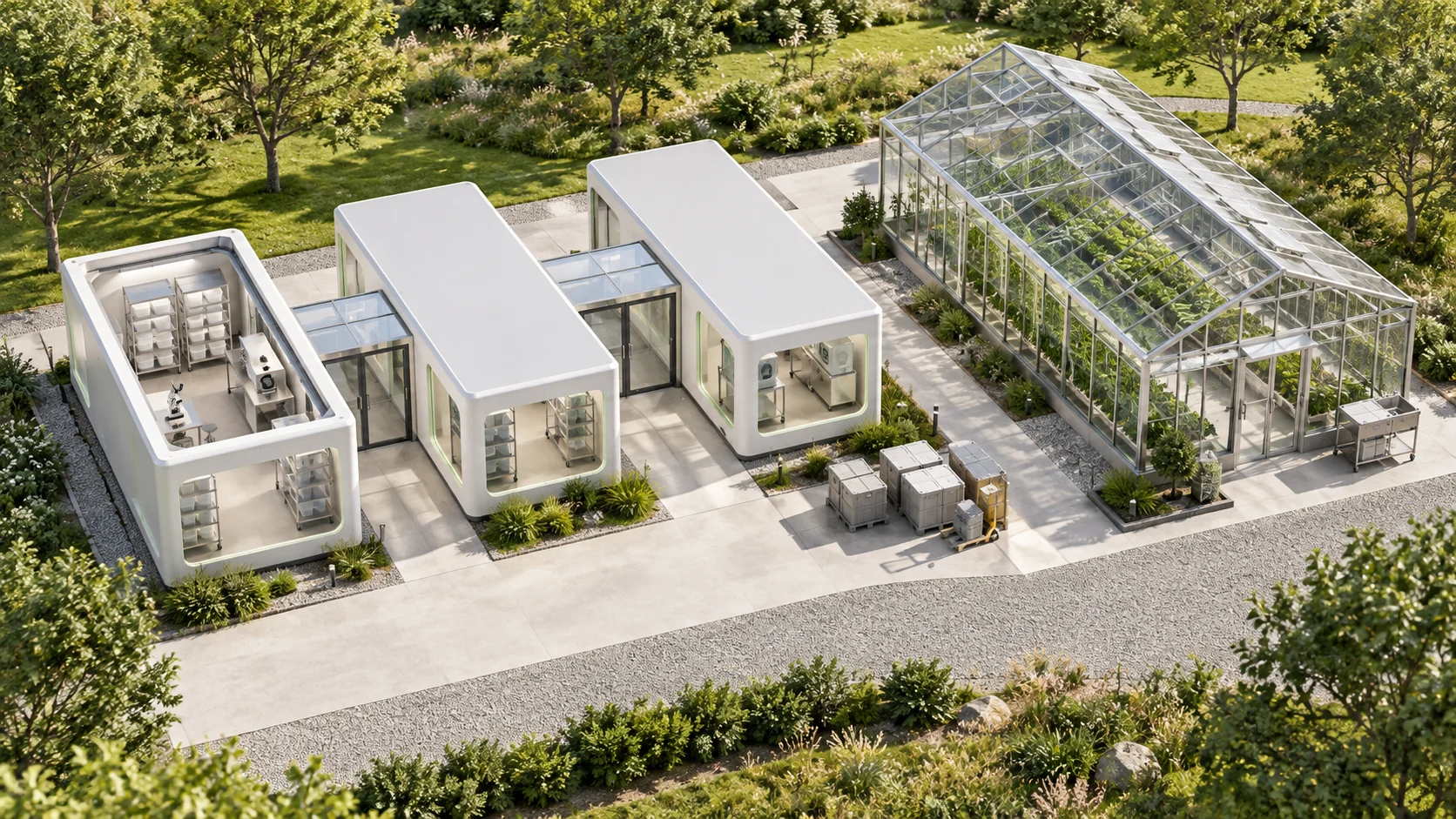
Built on production experience
We have built production facilities, developed rearing processes and quality routines, and trained the teams who operate them. Our experience connects the biology with the daily work of a biolab.
The next stage is scaling our franchise network and passing that practical experience on to local production partners.
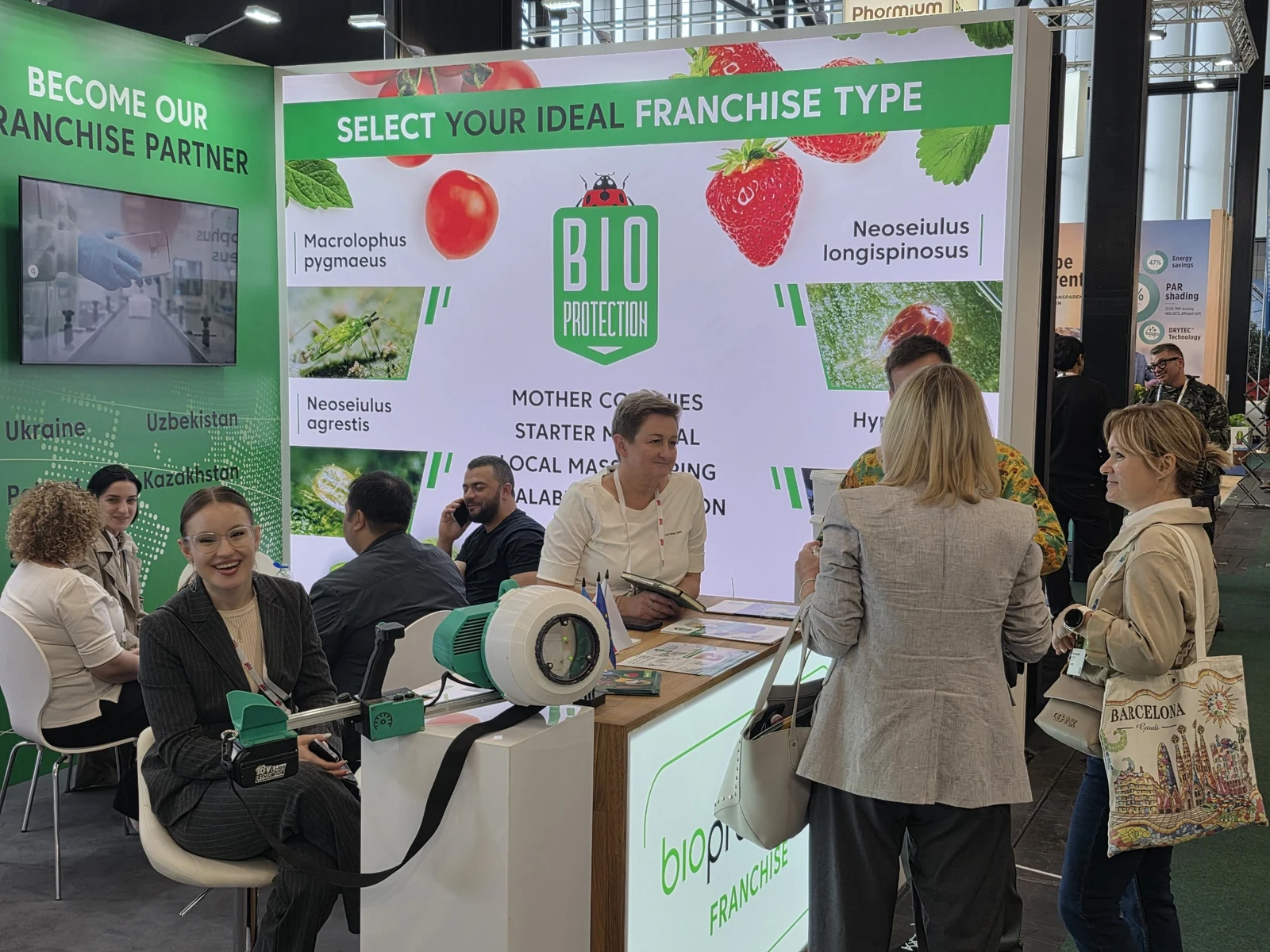
Our stand, our team and conversations in Amsterdam. From the Bioprotection archive.
Explore our history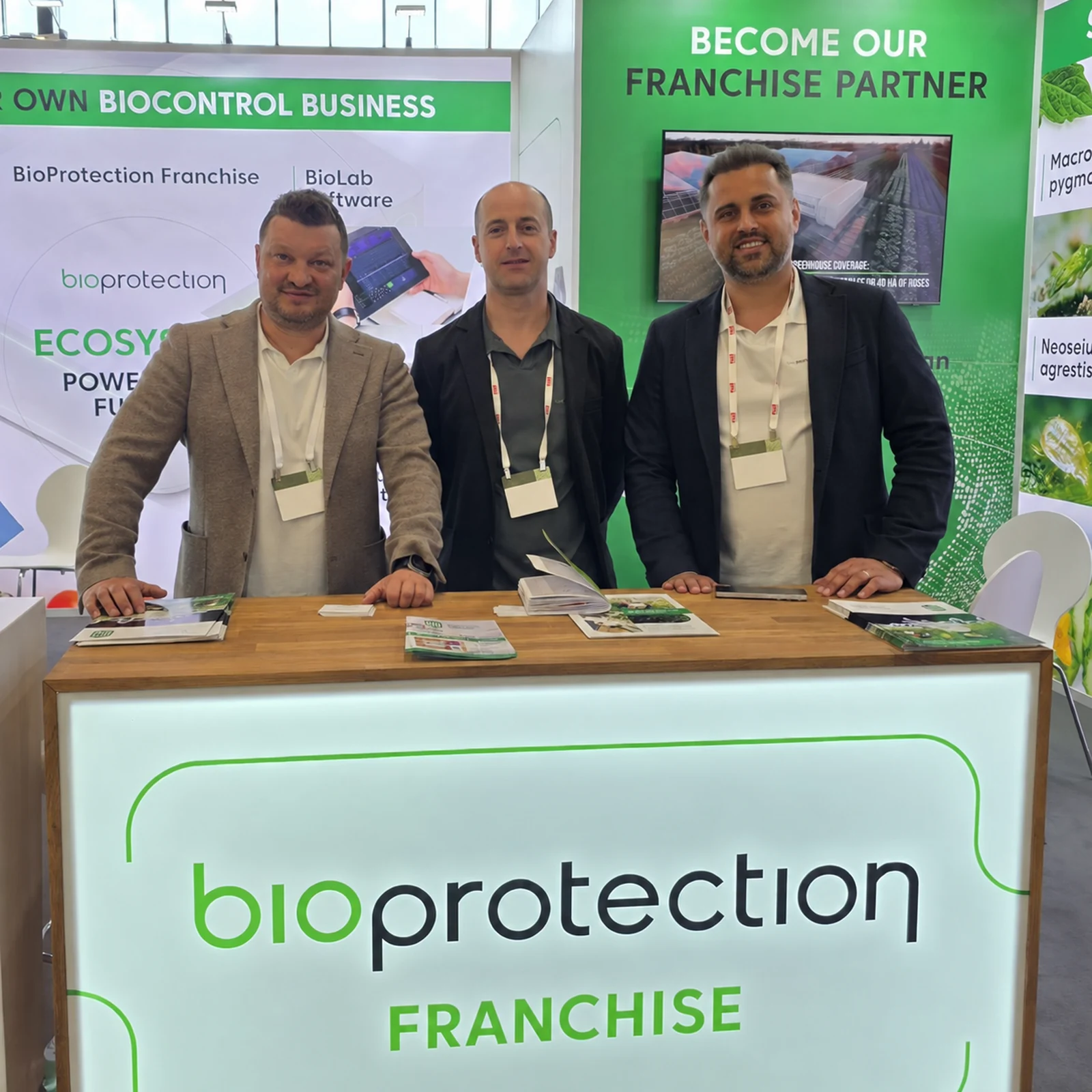
Choose an operation to see what happens and what the team needs to record. This is the proposed workflow; digital connections are configured for each project.
Maintain mother cultures separately and document their origin, feeding history and generations.
Line identity and culture history
Conceptual visualization
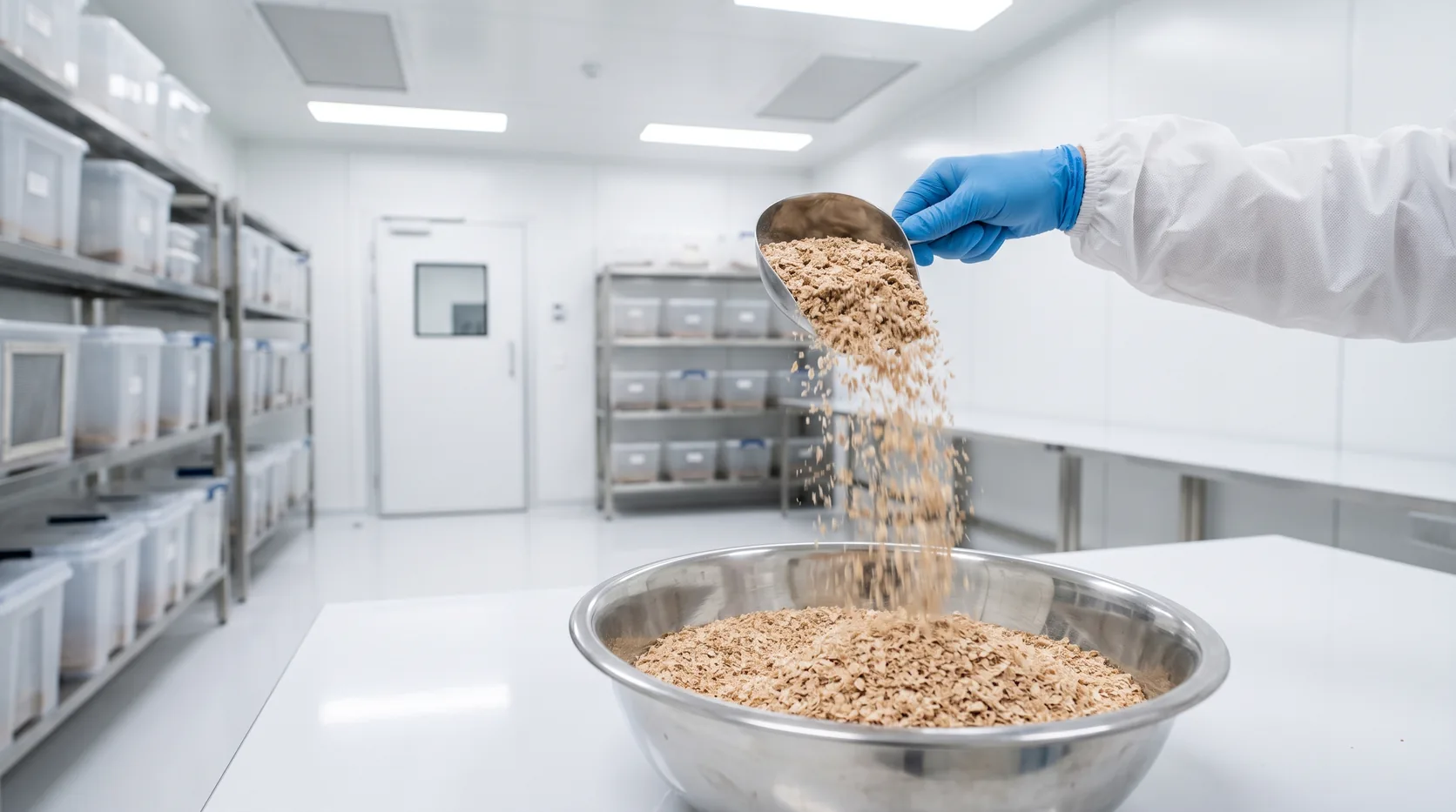
Each feeder culture has its own substrate and handling protocol. Connect it to the predator line it supports.
Substrate, feeder culture and preparation date
Conceptual visualization
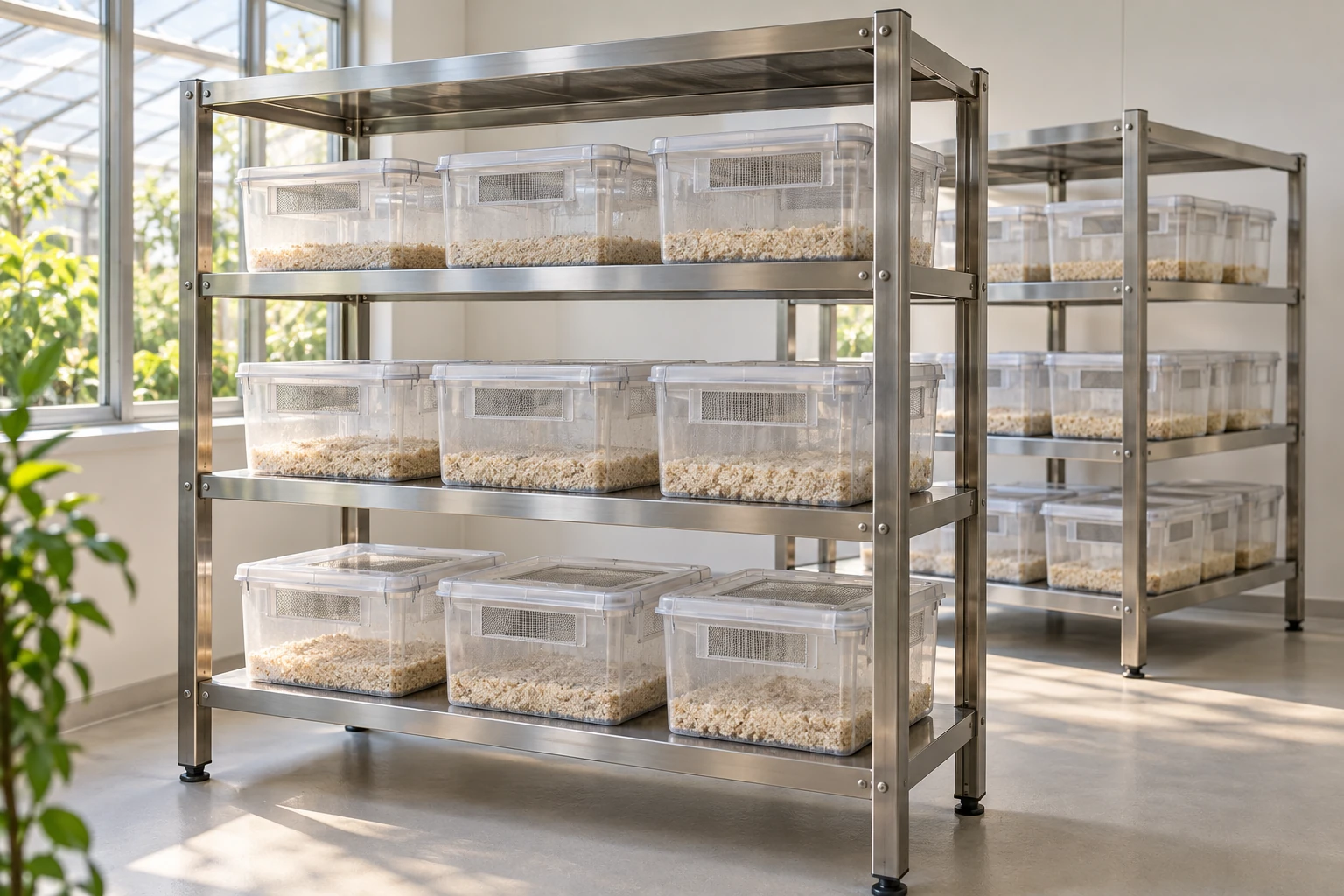
Follow the rearing schedule and climate observations alongside the operations performed by the team.
Operation, date and observed conditions
Conceptual visualization
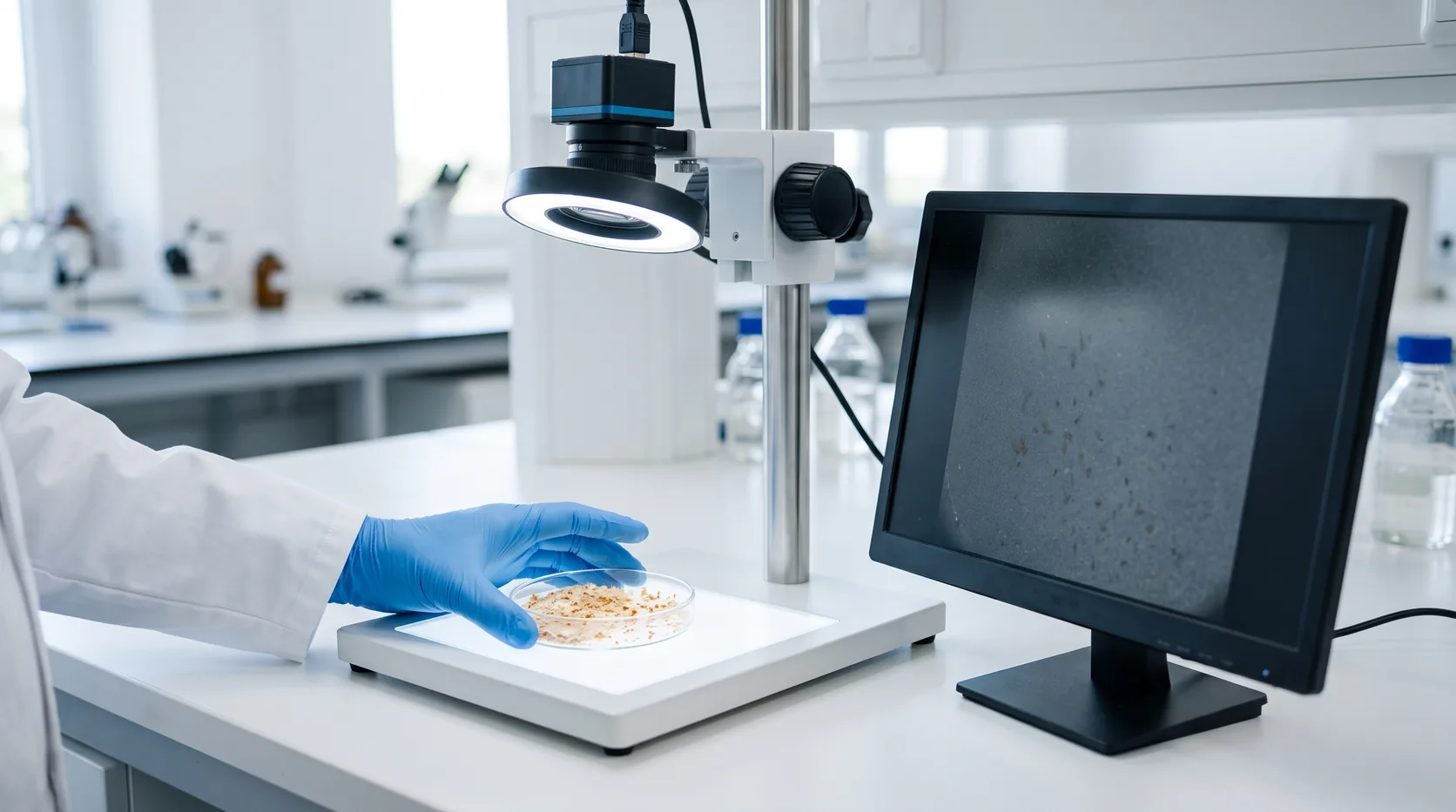
Examine the culture, assess numbers and viability, and retain the result with the batch record.
Sample result and agreed acceptance criteria
Conceptual visualization
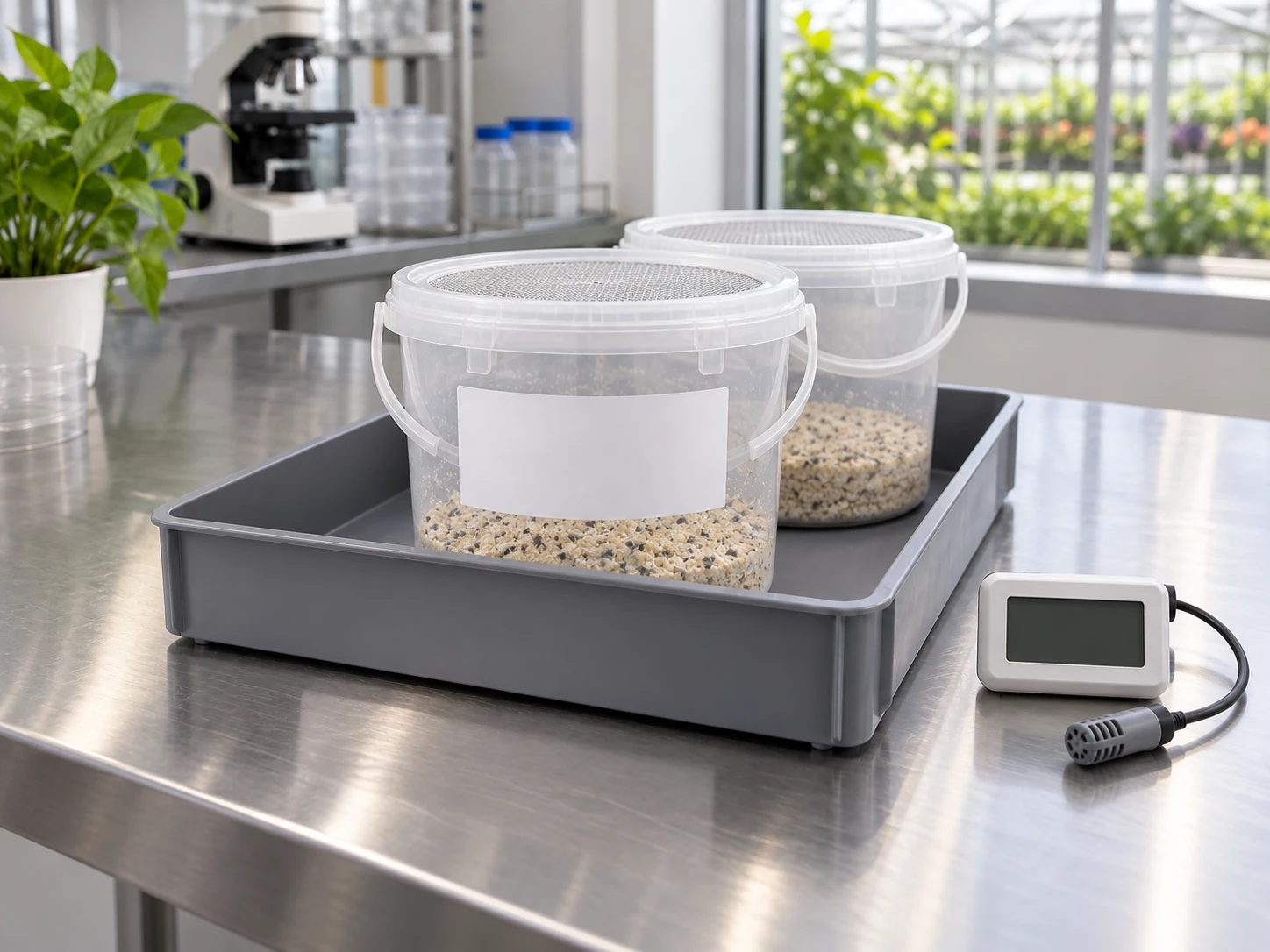
Match the selected species, packaging and handling requirements to the agreed delivery and release plan.
Batch, destination and handling conditions
Conceptual visualization
Record the release and subsequent observations. Use the crop history when reviewing the next intervention.
Release date and follow-up observations
Conceptual visualization
Real laboratory footage shows the culture under magnification. It gives a view of the material being handled and examined, beyond a diagram of the process.
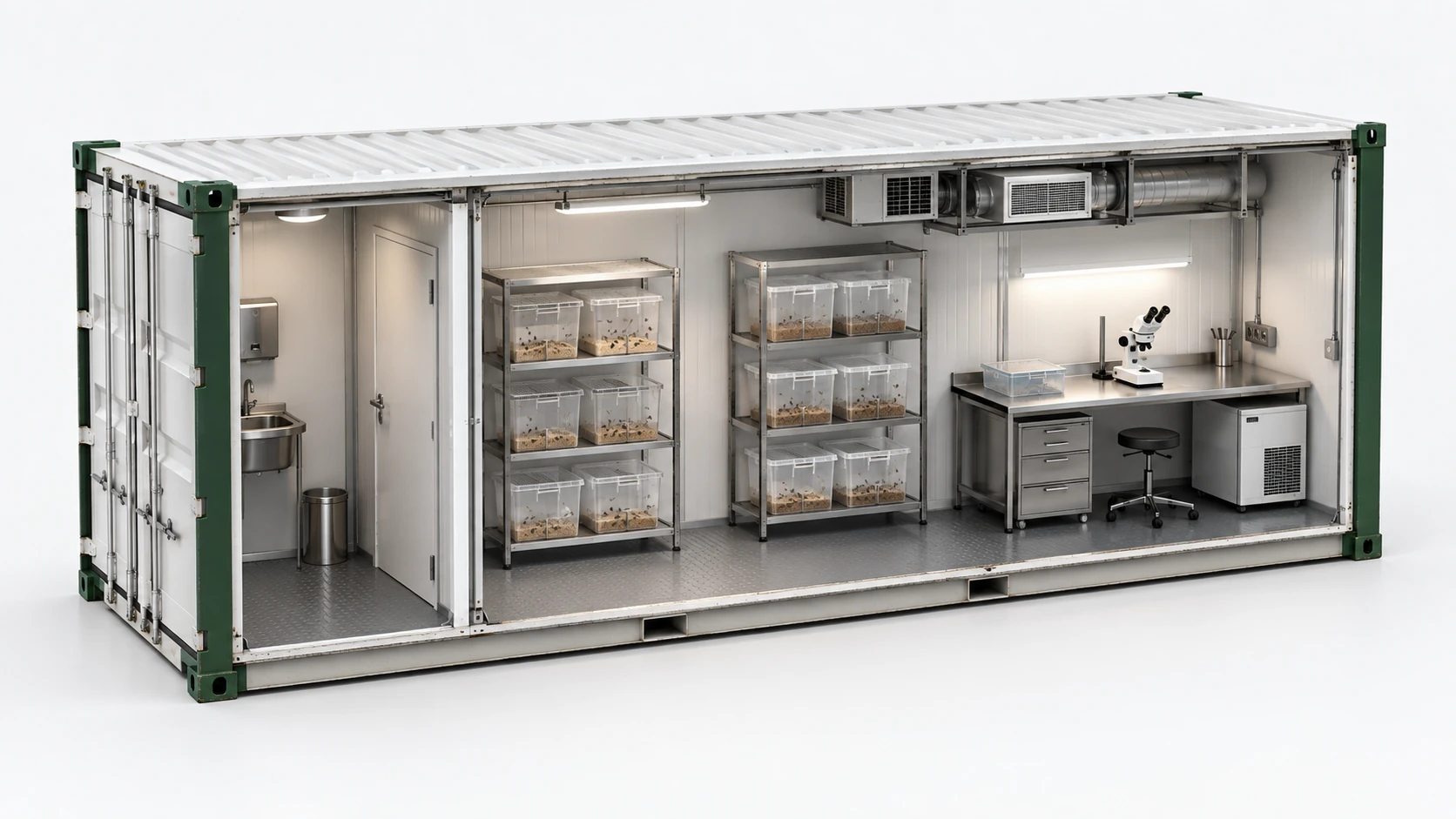
Original laboratory archive · 2022A BioLab project uses 20-ft ISO modules. Layout, equipment and the species portfolio are defined together with site conditions and the responsibilities of the local team.
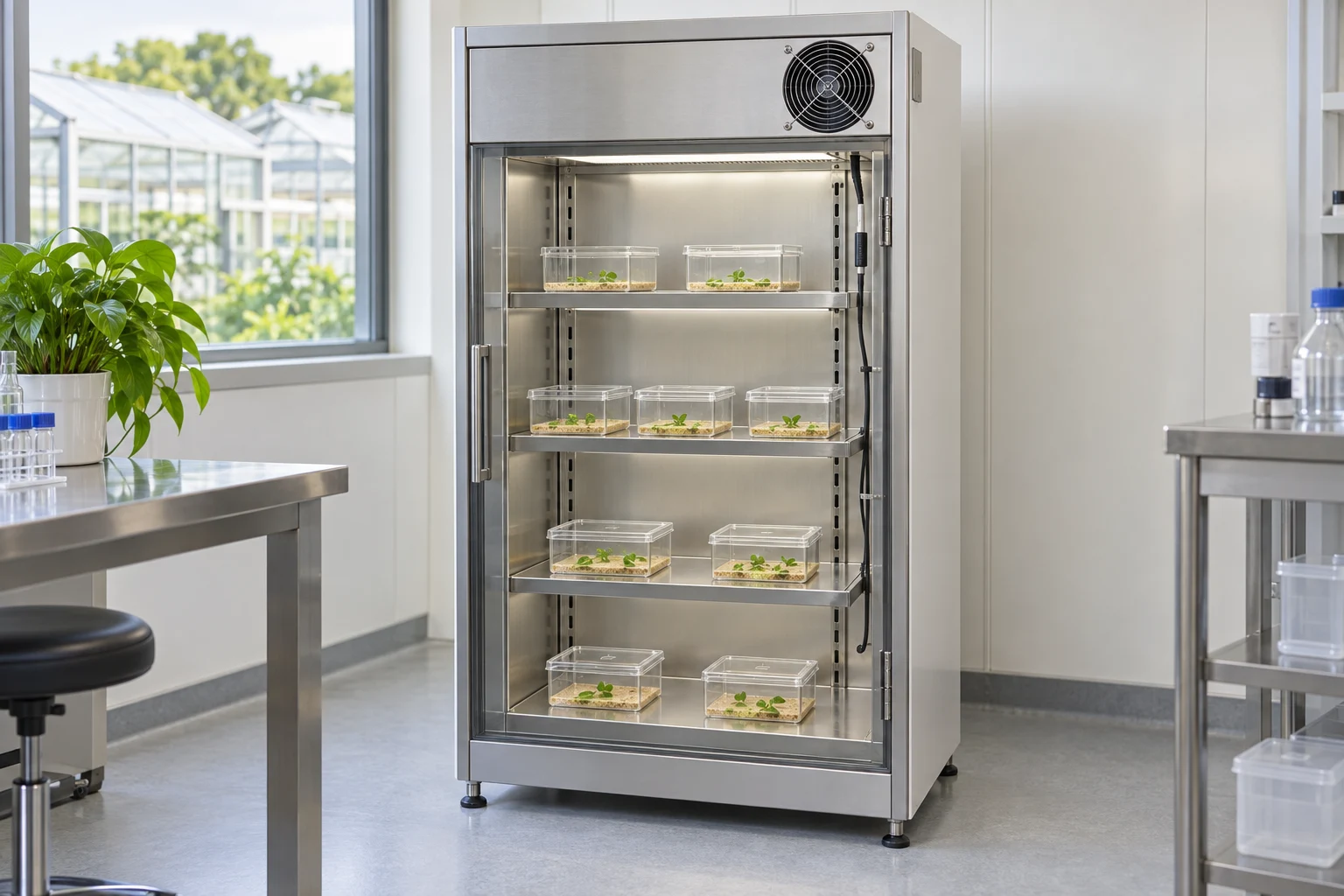
A climate cabinet brings the conditions closer to the culture. Define the temperature, humidity and observation schedule for the species and process, then retain those observations with the batch.
Substrates, materials and the next culture cycle.
Separate cultures, rearing conditions and routine operations.
Microscopy, samples and quality records.
Packing, batch identification and order preparation.
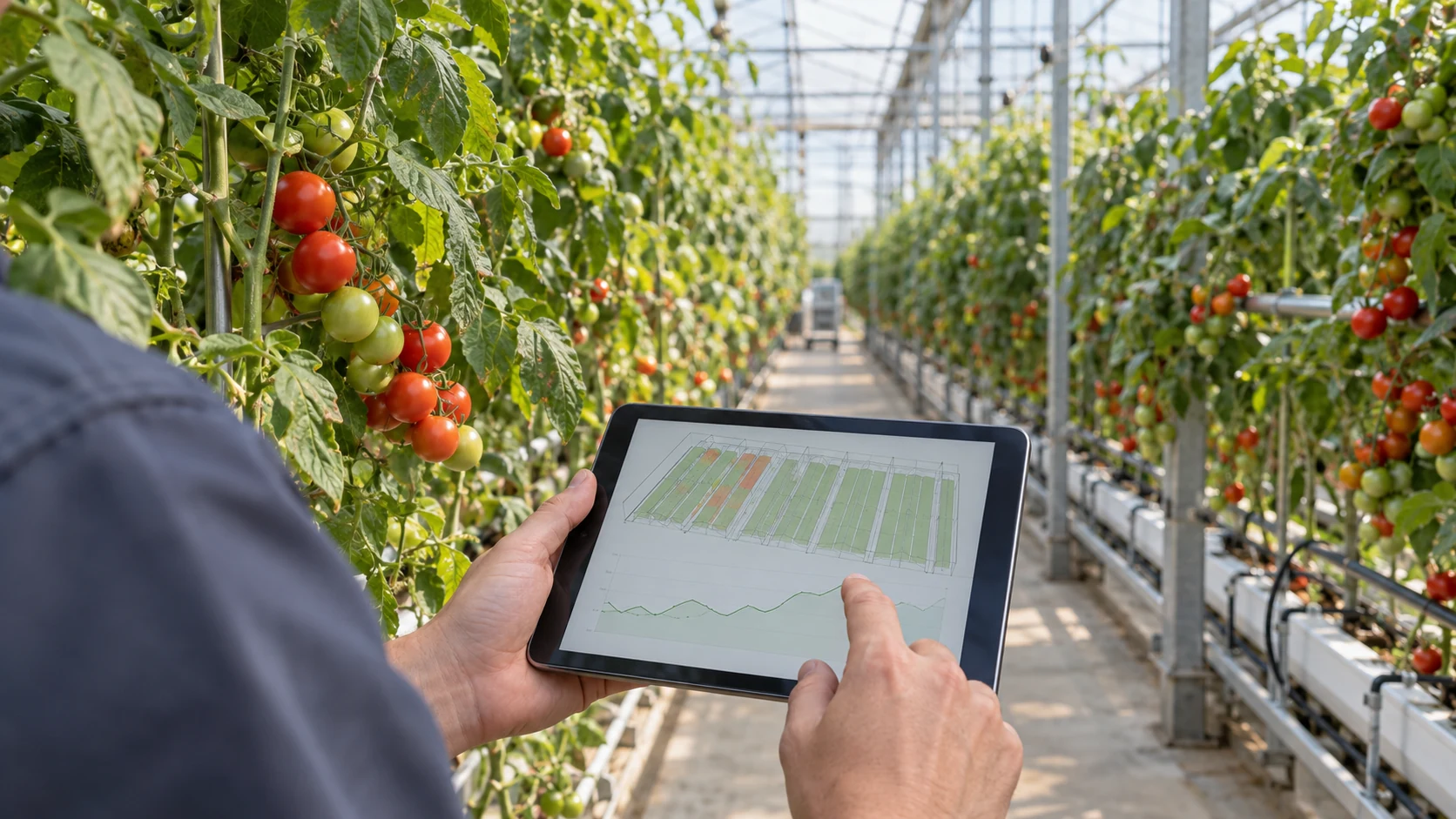
Begin with a particular crop and area. BioControler is designed around crop condition and input history; BioScouter is being developed for visits and field observations.
Record the zone, date, pests, beneficial organisms and recent treatments. Add useful photographs.
An agronomist reviews the context and agrees the next step with the grower.
Relate the required species, quantity and timing to the agreed programme and batch availability.
Return after the release. Compare observations and adjust the programme when needed.
Availability of BioScouter and automatic links to BioLab is confirmed for each deployment.
Local production depends on people who understand the culture. Training begins with actual operations and the evidence needed to judge their result.
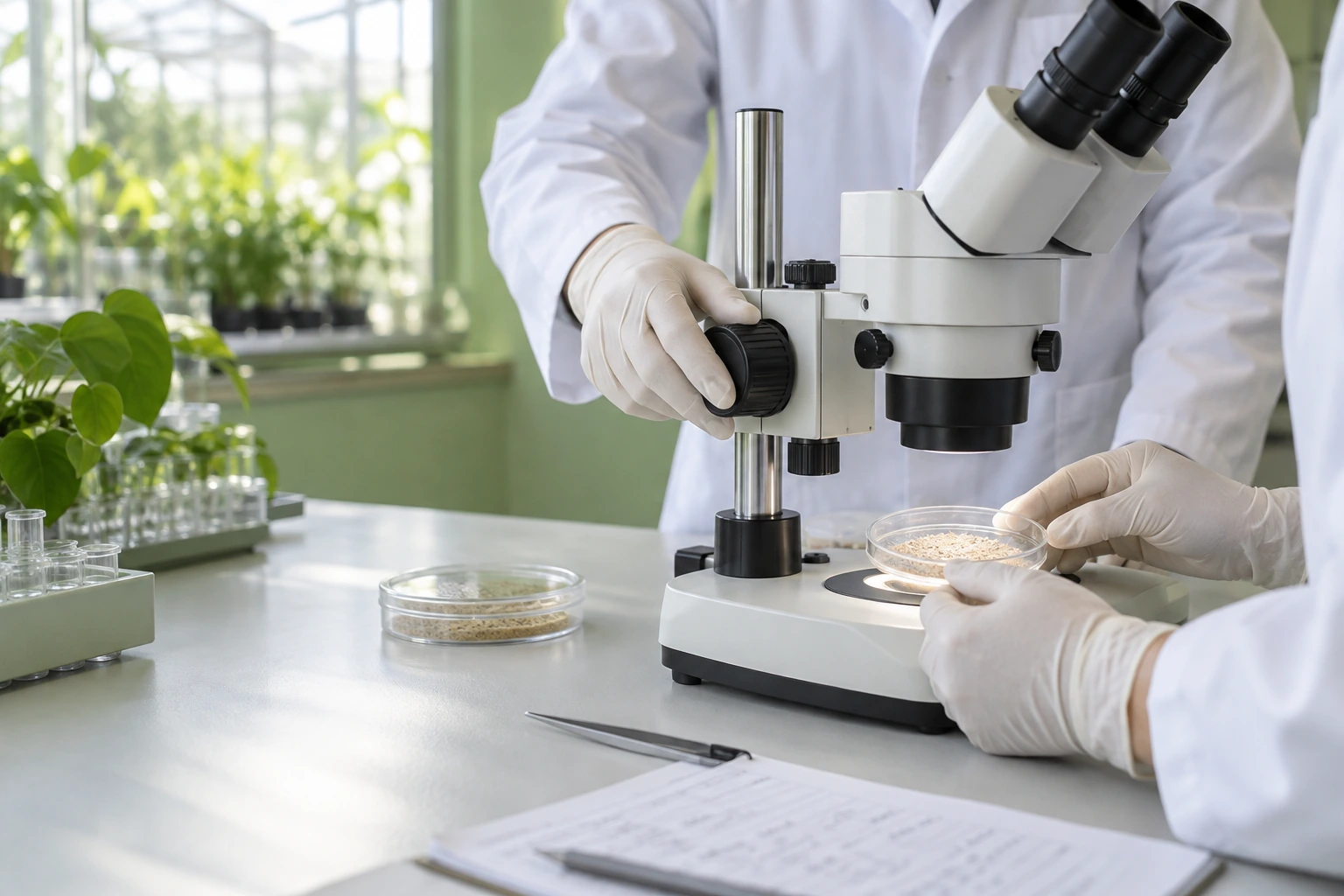
Carry out an operation with guidance and inspect the result.
Keep the culture, conditions and sample result attached to the work.
Compare an improvement with the existing process before extending its use.
Turn a verified change into an updated protocol and local training.
Counting, anomaly detection and handling are areas for AI and robotics development. Each step needs suitable examples, testing and a route for human intervention. Fully autonomous production remains the goal.
Search by organism and substance. Read the source, life stage, dose, exposure and assessment time; compare records or export a selection for review.
Scientific observations and supplier categories remain distinct. Missing data does not establish compatibility; the calculator does not choose a release rate.
Three illustrated presentations cover the production project, the grower relationship and the development programme. Download in the language you are reading.

Feeder substrates, three-line crossing, production records and batch quality.
Download PDF
Greenhouse observations, agronomic review, delivery planning and follow-up.
Download PDF
Operator skills, validation and the gradual introduction of automation.
Download PDFBefore we talk
The scope brings together breeding methods, a BioLab layout, operating records and team training. The species, equipment, implementation support and division of responsibilities are agreed for the particular site.
Start with target crops, pest pressure, local demand and the team’s operating capacity. The species portfolio and production plan need a project review; a generic container capacity is not enough to select them.
Fully autonomous production is a development goal. Culture handling, quality decisions and deployment require a responsible team. AI and robotic tasks need validation for their intended operating conditions.
For production, describe the country, target crops, demand, local team and available site. For a greenhouse programme, provide crop, area, pest and relevant treatments. These details come before equipment choices and financial assumptions.
A specific next step
A useful first conversation starts with your location and a real operating question.
Prefer a direct conversation?
a@investbio.net